

Show Notes
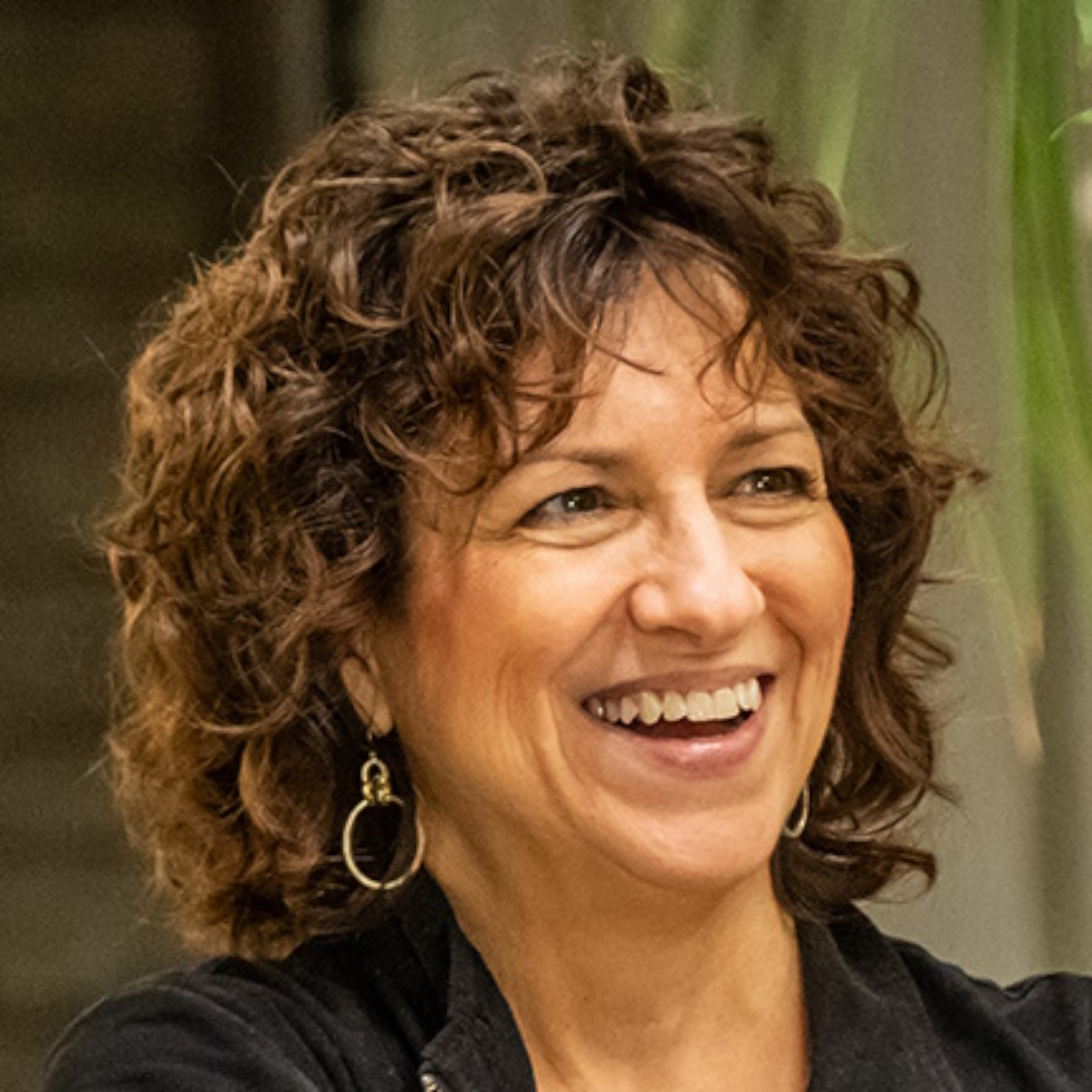
Kim Porter, CFRS, founded Be a Part of the Conversation after her own family’s painful journey through her son’s addiction. Now more than 15 years into recovery, his story fuels her mission to make sure families never feel alone, ashamed, or lost.
Her organization delivers nearly 50 programs a year, supports thousands of parents through weekly meetings, and has reached more than 32,000 people across Pennsylvania. Kim’s work is a lifeline for families seeking clarity, connection, and hope — and her leadership has earned some of the state’s highest prevention and community service awards.
This conversation matters because families deserve answers, compassion, and a path forward. Kim brings all three.
Show Transcript
Speaker A 00:00:01
The addiction podcast Point of no return.
Speaker B 00:00:06
Kim Porter, thank you for being with us today.
Speaker B 00:00:09
And you are sharing something that I think our listeners are going to enjoy hearing.
Speaker A 00:00:15
I sure hope so.
Speaker A 00:00:16
Thank you so much for having me, Joni.
Speaker B 00:00:18
Absolutely.
Speaker B 00:00:20
Why are you here?
Speaker B 00:00:21
Why is it you want to talk to us?
Speaker B 00:00:23
Give us the quick and dirty on why you're here.
Speaker A 00:00:26
Well, I think because my life changed dramatically, I guess, about 17 years ago when it became painfully obvious that my son had substance use disorder, and it was before that.
Speaker A 00:00:39
But really what threw things into motion was ultimately performing an intervention, hiring a professional interventionist, supporting his willingness to go to treatment, which we were so thankful for.
Speaker A 00:00:52
So the intervention happened on 3-10-20.
Speaker A 00:00:55
No, 3-13-2010.
Speaker A 00:00:57
And he has been in recovery ever since, which is a miracle.
Speaker A 00:01:01
We're so grateful that 16 years, and it was a year later that I had an opportunity to change my life by kind of leaving behind my career as a graphic designer and helped use some of those marketing skills to educate the community, family members in particular, about substance use disorder.
Speaker A 00:01:20
The fact that so many of us don't really fully understand this disease, don't understand all the implications that it has on family members and communities and healthcare systems and all of that.
Speaker A 00:01:31
So just that opportunity to speak to the community at large and provide some resources for people like me who've been through this as family members in particular.
Speaker B 00:01:41
Well, I appreciate you and I appreciate what you're doing, and I'm super happy that your son is in recovery.
Speaker B 00:01:47
We have way too many stories from parents who lose their children to substance use disorder, and that it just always breaks my heart.
Speaker B 00:01:56
So I'm glad your son is in recovery.
Speaker B 00:02:00
You know, we kind of do a similar thing.
Speaker B 00:02:02
You know, we don't have a history of addiction in our family or with either Steve or I, but we feel like it's something that needs to be talked about.
Speaker B 00:02:12
It's something that needs to.
Speaker B 00:02:15
I mean, I don't know that we'll ever actually get rid of the stigma, but it shouldn't have a stigma.
Speaker B 00:02:20
And I think, you know, the other thing, I think, Kim, that a lot of people don't understand, especially if they have a friend or a loved one in addiction, they don't understand.
Speaker B 00:02:28
It's not just like an emotional or spiritual thing where the person can just go, oh, I'm done.
Speaker B 00:02:35
I want to quit.
Speaker B 00:02:36
It's physically, emotionally, and spiritually addictive.
Speaker B 00:02:42
And a lot of people don't understand that because so many of us.
Speaker B 00:02:46
I can have a glass of wine.
Speaker B 00:02:47
I don't have to drink the whole bottle and get drunk, you know, and that's.
Speaker B 00:02:51
That's me.
Speaker B 00:02:52
But there are those who can't do that.
Speaker A 00:02:56
Absolutely.
Speaker A 00:02:57
We refer to something that is brought up in the big book of Alcoholics Anonymous, which is to see it as an allergy, having a reaction.
Speaker A 00:03:04
So you do not have a reaction to alcohol.
Speaker A 00:03:08
Someone else, like my son, and lots and lots of people in my life did and had very dramatic consequences as a result.
Speaker A 00:03:15
It doesn't happen overnight.
Speaker A 00:03:17
Most often it takes years, especially when we're talking about alcohol.
Speaker A 00:03:20
That progression, it takes such a long time because of its ubiquitous nature and glorification and validation and everything that our acceptance.
Speaker B 00:03:29
Everybody accepts alcohol.
Speaker B 00:03:31
Everybody can do it.
Speaker A 00:03:32
Yep, absolutely.
Speaker A 00:03:33
So that can take years to really play out as a.
Speaker A 00:03:35
As an addiction.
Speaker A 00:03:36
Whereas something like an opioid can happen a lot more quickly.
Speaker A 00:03:39
And mortality, unfortunately, comes into play a lot more quickly.
Speaker A 00:03:43
But they are all kind of playing on the same dopamine hits and all of those things that can really lead us down to some very scary places.
Speaker B 00:03:52
You know, I like that.
Speaker B 00:03:53
I like calling it an allergy.
Speaker B 00:03:55
I've never heard that before.
Speaker B 00:03:57
But the way I always refer to it is like playing Russian roulette, when kids try some of these drugs or anybody tries some of these drugs and they don't know how to fax them, you know, and so you would never take a pistol, put a bullet in it, and spin the cartridge and decide to put it against your head.
Speaker B 00:04:18
You would never do that.
Speaker B 00:04:20
But that's essentially what you do with a lot of these drugs when you try them, because you don't know whether your body has an intolerance, whether you have an emotional intolerance or an allergy, if you will.
Speaker B 00:04:33
I like that analogy personally, because.
Speaker B 00:04:36
Yeah.
Speaker B 00:04:37
I mean, look at people.
Speaker B 00:04:39
Sorry, look at people who have a bad reaction to a bee sting.
Speaker B 00:04:41
I got a bee sting.
Speaker B 00:04:42
It hurt really bad.
Speaker B 00:04:43
I hated it.
Speaker B 00:04:44
It hurt me for an hour.
Speaker B 00:04:45
Some people can die from a bee sting.
Speaker A 00:04:47
Right, right.
Speaker A 00:04:48
Sorry, I can't use that analogy in some of our.
Speaker A 00:04:51
And I'm kind of buried the lead.
Speaker A 00:04:52
When I first introduced myself, what started 15 years ago was the nonprofit Be a Part of the Conversation, which is where we do all these community events.
Speaker A 00:05:01
One of those is in the prevention lane, where we're talking to parents of very young kids, like elementary age kids.
Speaker A 00:05:09
They'll come to that and say, like, well, why do I need to know about this now?
Speaker A 00:05:12
They're only, you know, 8, 10, 12 years old.
Speaker A 00:05:15
But when you mentioned liking the allergy Analogy, we'll say the way to talk to a child about this, if there is a family history, because, of course, genetics plays a huge role in our risk factors.
Speaker A 00:05:28
So if there is a family member who is very clearly struggling with, for example, alcohol use, we can say to our child, you know, Aunt Lisa has an allergy that, you know, like, you understand how children in your class have peanut allergies and can't bring the cookies in.
Speaker A 00:05:43
They have nuts in them.
Speaker A 00:05:44
Well, Aunt Lisa, you know, she just wants more.
Speaker A 00:05:47
Even if it's not good for her, she wants more.
Speaker A 00:05:50
We're related to Aunt Lisa, so we have to be really careful around alcohol and other things like that.
Speaker A 00:05:54
So there are so many ways we can talk to even a young child to help them understand this without.
Speaker A 00:06:00
You also mentioned stigma, without berating Aunt Lisa or the kid down the street that he just learned got arrested and all of that.
Speaker A 00:06:08
Just to say, like, this is something people struggle with.
Speaker A 00:06:11
We want to be really careful around these substances, not to be a prohibitionist, because that will drive them away.
Speaker B 00:06:17
Right.
Speaker A 00:06:17
Want to keep open conversation, but to invite conversation around it and say, like, tell me what you're curious about.
Speaker B 00:06:23
Yep, agreed.
Speaker B 00:06:24
Or just being dogmatic for so long, it was like, just say no.
Speaker B 00:06:28
Just, drugs are bad.
Speaker B 00:06:30
Just say no.
Speaker B 00:06:32
That's easy to tell a child, but so often when you say no, you are raising a red flag that says absolutely yes no matter what you say.
Speaker B 00:06:41
So you can't do it that way either.
Speaker B 00:06:45
I really like that analogy a lot.
Speaker B 00:06:48
Because the truth of the matter is, nobody knows how these drugs are going to affect them until they try them.
Speaker B 00:06:56
And often it's too late once they do that, because the physical, mental, and spiritual craving and addiction sets in and they're off and running.
Speaker A 00:07:06
And if you tell them it's bad and they do try it and it feels great, you are now invalid, as you know, as an.
Speaker B 00:07:13
You lied.
Speaker A 00:07:14
Yeah, right, Exactly.
Speaker A 00:07:16
And everything in that young person's body is telling them, like, we always say, the accelerator is working really well.
Speaker A 00:07:23
The brakes are not working so well.
Speaker A 00:07:24
They want to try things.
Speaker A 00:07:26
They want to take risks.
Speaker A 00:07:27
It's how we learn, frankly, when we're very young.
Speaker A 00:07:29
It's how we learn sports and music and language and all of that walking.
Speaker A 00:07:34
Right.
Speaker A 00:07:35
All of it.
Speaker A 00:07:35
And so to say, to imagine that they're going to have the wherewithal to say, like, no, it is really a disservice.
Speaker A 00:07:43
And thankfully, that has gone by the wayside, that model.
Speaker B 00:07:46
Yes.
Speaker B 00:07:46
And I have always believed that if you educate a young person as to what some of the consequences might be if they do that, that the majority of them, unless they have like a horrible home life or something horrible in their lives, the majority of them will look at that and go, I think I'd rather not try that.
Speaker B 00:08:12
You know, I mean, I grew up when LSD was like, ooh, let's all do lsd.
Speaker B 00:08:17
Well, I read something that said when you then have a baby, the baby could have birth defects.
Speaker B 00:08:21
And I thought, why would I want to take that risk?
Speaker B 00:08:24
You know?
Speaker B 00:08:25
So I believe that children can be very smart and they can reason very well if they are given the accurate information.
Speaker A 00:08:34
Right.
Speaker A 00:08:35
Most children are not thinking about what's going to happen to me though, later.
Speaker A 00:08:38
That was very mature of you.
Speaker B 00:08:39
That's true.
Speaker A 00:08:40
That is very mature of you.
Speaker A 00:08:41
Most are trying to tell them this is going to affect your college applications, whatever, you know, that kind of stuff.
Speaker A 00:08:48
They just are very much in that impulsivity thinking about today, not thinking about down the road.
Speaker A 00:08:54
However, having said that, it's really like two thirds of young people don't try substances.
Speaker A 00:09:00
So when we hear kids say everybody does it, that is actually inaccurate.
Speaker A 00:09:04
So we also want to make sure those social norms are understood in a better way, that they want that validation that everybody does this, but they do not.
Speaker B 00:09:14
You know, that's a good point.
Speaker B 00:09:15
And the truth of the matter is everybody does not do it.
Speaker B 00:09:19
And I was just thinking, excuse me for jumping on your bandwagon, but it would make sense to me.
Speaker B 00:09:26
And I have young grandchildren.
Speaker B 00:09:27
So this conversation may take place at some point.
Speaker B 00:09:29
I don't know.
Speaker B 00:09:30
They go to private schools, they're not around drug use.
Speaker B 00:09:34
So for now, it's not something that they're exposed to.
Speaker B 00:09:38
But I would say look at the people that, you know that you know do this.
Speaker B 00:09:44
How do they act?
Speaker B 00:09:45
What do you think?
Speaker B 00:09:46
Do you like that?
Speaker B 00:09:49
Do you know what I mean?
Speaker B 00:09:50
Like, because like when someone gets drunk, oftentimes they're silly, they can be loud, they can be.
Speaker B 00:09:57
What's the word?
Speaker B 00:09:58
I don't know, maybe taking too much risk, you know, and you kind of go, ooh, I don't think I want to do that.
Speaker B 00:10:02
Like jumping off a second story into a pool or something.
Speaker B 00:10:05
So you could ask, what is, how does that look to you?
Speaker C 00:10:10
You know, Lise Steinberg as the legendary sports agent who inspired the film Jerry Maguire.
Speaker C 00:10:16
But the story he's sharing now isn't about superstar athletes or record breaking contracts.
Speaker C 00:10:22
It's about what happens when life completely falls apart and how you rebuild from the ground.
Speaker C 00:10:27
Up.
Speaker C 00:10:28
In his new book, the Comeback A Playbook for Turning Life's Setbacks into Victories, Lee opens up with honesty and courage about his battle with alcoholism.
Speaker C 00:10:38
He takes you right into those rock bottom moments, sitting in his parents home after losing everything, reaching for the cheapest bottle of vodka he could find.
Speaker C 00:10:47
It's raw, it's real, and it's something many people can relate to.
Speaker C 00:10:53
But this book isn't just about the fall, it's about the rise.
Speaker C 00:10:57
Lee lays out nine powerful pillars of resilience, things like accountability, courage and rebuilding trust.
Speaker C 00:11:05
The same principles that helped him reach 16 years of sobriety.
Speaker C 00:11:09
And he weaves in stories from clients like Troy Aikman and Steve Young, showing that even the biggest names face setbacks and find their strength again.
Speaker C 00:11:19
If you or someone you love is navigating a tough chapter or you just need a roadmap for reinvention, the Comeback, A Playbook for Turning Life's Setbacks into Victories is a powerful place to start.
Speaker C 00:11:32
You can get your copy on Amazon today.
Speaker A 00:11:36
And what's also interesting about that though is so many people who are using a substance at any age, you may not see the use very clearly because for example, like with my son, I would say the biggest reason he was drawn to substances when he was 13, which is the first time he got high, he had some social anxiety.
Speaker A 00:11:55
He wanted to fit in.
Speaker A 00:11:56
He wanted to feel that social lubricant, right?
Speaker A 00:11:59
And so when you, when you're using a sub, and his dad and I did not pick up on it for quite some time because it was helping him to feel better, you know, he felt more connected.
Speaker A 00:12:10
It wasn't until things really escalated and progressed and now the consequences started.
Speaker A 00:12:16
Now it's becoming really clear.
Speaker A 00:12:18
So we don't always see it.
Speaker A 00:12:20
And a lot of.
Speaker A 00:12:20
And I often like to share this because so many parents beat ourselves up when we say like, how did I miss this?
Speaker A 00:12:26
And I remember there was a young woman on one of our panels years ago when heroin was at its peak.
Speaker A 00:12:33
Heroin is actually pretty much non existent almost these days.
Speaker A 00:12:36
Fentanyl is replaced it and a lot of other things in the drug supply.
Speaker A 00:12:39
But this young woman was addicted to heroin.
Speaker A 00:12:41
She was in recovery and serving on our panel.
Speaker A 00:12:43
And somebody in the audience asked her and she was very young.
Speaker A 00:12:47
Someone said, how did your parents miss this?
Speaker A 00:12:49
And her mother was in the audience and was like in tears after talking to me about this.
Speaker A 00:12:52
Like, I feel like such a failure.
Speaker A 00:12:54
I was always there.
Speaker A 00:12:55
I'm like, of course you were.
Speaker A 00:12:56
But she was.
Speaker A 00:12:58
It worked until it didn't work anymore.
Speaker A 00:13:00
You know, it was working for her.
Speaker A 00:13:01
It was, there was some pain.
Speaker A 00:13:03
And you hear this from people in recovery all the time.
Speaker A 00:13:05
I had this hole in my soul.
Speaker A 00:13:07
I had this.
Speaker A 00:13:08
I felt like this thing came along and filled that or it was the warm friend I always wanted, whatever.
Speaker A 00:13:14
And so it's working until it doesn't work.
Speaker A 00:13:17
And people in recovery often say it wasn't my problem, it was my solution.
Speaker A 00:13:21
Exactly.
Speaker A 00:13:21
So we don't see the behaviors right away.
Speaker A 00:13:25
They're probably going to come later if this continues.
Speaker A 00:13:29
It rarely self corrects, but it does progress.
Speaker A 00:13:33
And so I just wanted to make that note that it can fly under the radar for quite a while.
Speaker B 00:13:38
And that's true.
Speaker B 00:13:39
And parents do definitely beat themselves up.
Speaker B 00:13:42
And you can't be with your child 24 7, you're not going to go with them to their parties.
Speaker B 00:13:49
They would kill you if you did.
Speaker B 00:13:51
That's not acceptable.
Speaker B 00:13:52
So you can't see what kind of pressure they're under and how they react to it.
Speaker B 00:13:58
I agree with that.
Speaker A 00:14:00
Right, Absolutely.
Speaker A 00:14:02
Yeah.
Speaker B 00:14:03
So tell me about, be a part of the conversation and what you guys do and how it works and yeah, I'd love to.
Speaker A 00:14:12
This just really filled a need where it became very clear very quickly that people needed to talk about this.
Speaker A 00:14:18
It's something that is.
Speaker A 00:14:19
You mentioned stigma.
Speaker A 00:14:20
It is absolutely still happening.
Speaker A 00:14:23
We're working hard.
Speaker A 00:14:24
We have.
Speaker A 00:14:24
One of our programs is called Challenging Stigma, but just by self disclosing.
Speaker A 00:14:29
And thankfully my son, my entire family is very supportive of our family being transparent about this.
Speaker A 00:14:36
But just by doing that, I mean, I truly could not get through like a grocery store without somebody stopping me and saying like, can I talk to you about that intervention?
Speaker A 00:14:44
How did that work?
Speaker A 00:14:45
How did you find the treatment center?
Speaker A 00:14:46
How did you know who to trust?
Speaker A 00:14:48
How did you know, you know, how did you get support?
Speaker A 00:14:51
And so there it started off with just the need to educate.
Speaker A 00:14:55
And again we, we were founded, we started this, this initiative in 2011 and that was right when the prescribed opioids were ramping up into illicit opioids and overdose deaths were skyrocketing.
Speaker A 00:15:08
And they're still way too high.
Speaker A 00:15:11
They're coming down, but they're way too high.
Speaker A 00:15:13
But there was a desperate need, a hunger for information about this.
Speaker A 00:15:18
And so we would bring in treatment experts, authors, experts, clinicians, people with lived experience to speak to the public.
Speaker A 00:15:26
And from the beginning, we had a tremendous turnout and people were really, really looking for that information.
Speaker A 00:15:32
And that continues to this day, 15 years later.
Speaker A 00:15:35
What we've Added are some support services, supportive services including.
Speaker A 00:15:40
We have 21 parent partnership meetings every week.
Speaker A 00:15:43
Parent partnership are led by peers like me who have lived experience while volunteering in that role.
Speaker A 00:15:49
And it's similar to an AL Anon or Narnon which are, I'm sure you know, 12 step programs for the family members.
Speaker A 00:15:56
The reason we have recognized this tremendous need for parent partnership is While we endorse 12 step programs and say yes, absolutely, check them out like Al Anon and Ar Anon, we, we need to be with other parents specifically because the, if you're in an Al Anon meeting, you're going to be with a lot of spouses.
Speaker A 00:16:13
That's just a different relationship.
Speaker A 00:16:15
It has very different boundaries and challenges and consequences to it.
Speaker A 00:16:20
And also we need crosstalk and 12 step programs.
Speaker A 00:16:24
That is their model that there is no crosstalk and there's a place for that.
Speaker A 00:16:28
We parents need to talk to each other in a conversational way.
Speaker A 00:16:32
And so that's why it has grown tremendously.
Speaker A 00:16:34
About half of those meetings are on zoom.
Speaker A 00:16:37
And so we've had people from all over the the country join.
Speaker A 00:16:40
The other half are in person in kind of southeast Pennsylvania, also New Jersey and Delaware.
Speaker A 00:16:47
We have in person meetings.
Speaker A 00:16:49
And then we also added about four years ago something called the family Recovery course, which is a three part course and all of this is free to attend.
Speaker A 00:16:58
Part one of that course is Addiction 101 to help these parents understand what happened to their child.
Speaker A 00:17:03
This disease model.
Speaker A 00:17:05
Part two is family Foundations.
Speaker A 00:17:07
What happened to my family?
Speaker A 00:17:09
The siblings aren't talking to my qualifier.
Speaker A 00:17:12
The other parent is not working.
Speaker A 00:17:14
The two parents aren't working together.
Speaker A 00:17:16
There's trauma.
Speaker A 00:17:18
These parents, some of them have reversed an overdose with their own child using Narcan.
Speaker A 00:17:23
I mean, how do you come back from that?
Speaker A 00:17:25
How do you come back from looking for your child that's been missing and those sorts of things.
Speaker A 00:17:29
And then part three gets into family recovery.
Speaker A 00:17:33
Recovery meaning my recovery as a family member.
Speaker A 00:17:36
How can I make sure that I'm sleeping at night, taking care of myself, getting if I need, if I've had trauma, I probably could use some therapy or some kind of support in that way and also access to those resources.
Speaker A 00:17:48
We have a tremendous network of clinicians and experts that we can guide people toward to get the very specific help that they need.
Speaker A 00:17:58
So all of that has just grown tremendously and we're just so grateful for that that it's, that it's not going away, but we're at least giving people a safe place to land and I,.
Speaker B 00:18:10
I can't applaud you enough for doing this because I just feel like so often parents don't want to talk about it, and if they do want to talk about it, they don't know who to talk to.
Speaker B 00:18:20
And I think that you offer them a place to do that, which is huge because every time I have someone on the podcast, I hear something new.
Speaker B 00:18:32
And I hope that our listeners hear something new, something that maybe will help them get their loved one into recovery or get, or do the recovery themselves, do the intervention themselves or find an interventionist or do something about it.
Speaker B 00:18:50
Because I think one of the most devastating things is when you don't do anything because you don't know what to.
Speaker A 00:18:58
Do right so much in this culture.
Speaker A 00:19:01
I feel that we look at the person who's struggling with substance use and expect them to make the change.
Speaker A 00:19:07
You know, they're embroiled in a disease that might take their life and we're expecting them to just get it together.
Speaker A 00:19:16
Come on, don't you see what you're doing?
Speaker A 00:19:18
Well, no, they can't.
Speaker A 00:19:19
All they know is this is oxygen for me.
Speaker A 00:19:22
I can't live without this.
Speaker A 00:19:24
And it's quite literally they could die if they stop using it overnight.
Speaker A 00:19:27
So we don't want them to do this alone.
Speaker A 00:19:30
So that's our goal, is to reach all the scaffolding around that person who might have the wherewithal to say, I'm here to support you, I'm not going to continue if maybe it's been, I mean, believe me, we work with families who their qualifier, meaning their loved one with a substance use disorder is in their 40s.
Speaker A 00:19:48
And this has been decades of begging and pleading and wringing our hands and running out of money and broken relationships and all of that.
Speaker A 00:19:57
But to say, you know, we're going to be healthy about this now, we're going to, we're going to get you connected and then I'm going to find my support and my recovery.
Speaker A 00:20:06
But to know that, you know, the employer, the educator, when we're talking about those young kids that are starting to struggle at early ages, the healthcare system that doesn't understand this blows my mind consistently.
Speaker A 00:20:20
To educate all of these folks to understand not a bad person, maybe they made some bad choices early on, who's gonna really blame a 15 year old kid for drinking a beer, you know, being curious and experimenting with that, you know, we, we encourage it, we applaud it when you, we laugh at it, whatever.
Speaker A 00:20:41
And then as soon as it starts to get ugly, we're done with you.
Speaker A 00:20:45
And that breaks my heart.
Speaker A 00:20:47
So we really want to have compassion and be a healthy support for our loved one.
Speaker A 00:20:55
But really, again, that connection, the connection to one another and the connection to all the resources.
Speaker A 00:21:00
There's a whole world.
Speaker A 00:21:01
I'm sure you've learned this in this podcast.
Speaker A 00:21:03
A whole world of recovery out here and pathways of recovery.
Speaker A 00:21:08
So let's introduce them to that and understand that we can't be the one to fix or do this or DIY it ourselves under, you know, behind closed doors where nobody's going to see.
Speaker A 00:21:23
Too great a challenge.
Speaker B 00:21:25
Yep, I agree.
Speaker B 00:21:26
So how do people find your group?
Speaker A 00:21:30
We are.
Speaker A 00:21:30
We have a website that has lots and lots of information, which is Conversation Zone.
Speaker A 00:21:35
Z, O N E. That's the whole website.
Speaker A 00:21:38
Conversation Zone.
Speaker A 00:21:39
You'll find all the information about upcoming community programs, our parent partnership meetings, that family recovery course, and just ways to connect with us.
Speaker A 00:21:49
We hope that people recognize the need for talking with others who've lived this.
Speaker A 00:21:55
This had this kind of lived experience.
Speaker A 00:21:58
So the website is the best way to reach us.
Speaker B 00:22:00
Great.
Speaker B 00:22:01
Do you do social media as well?
Speaker A 00:22:03
Absolutely.
Speaker A 00:22:03
We're on Facebook, LinkedIn, YouTube.
Speaker A 00:22:06
We have a. I should mention, too, we have a YouTube channel with more than 200 recordings on it.
Speaker A 00:22:10
So you can find a lot of those.
Speaker A 00:22:11
And we do about 40 or 50 community programs every year.
Speaker A 00:22:15
Many of them are.
Speaker A 00:22:16
Are on Zoom.
Speaker A 00:22:17
So we record them and post them on our YouTube channel.
Speaker A 00:22:19
We're also on Instagram.
Speaker A 00:22:21
I think I mentioned them all.
Speaker A 00:22:22
Facebook, Instagram, LinkedIn, YouTube.
Speaker B 00:22:24
And it's all Conversation.
Speaker B 00:22:25
Conversation Zone.
Speaker B 00:22:26
Is that how they find you?
Speaker A 00:22:28
Conversation?
Speaker A 00:22:28
Well, Convo Zone is our handle.
Speaker B 00:22:31
Convo Zone.
Speaker B 00:22:31
Okay.
Speaker A 00:22:32
But Conversation Zone is our website.
Speaker A 00:22:35
We have all the social links at the top of that page.
Speaker B 00:22:38
Understood.
Speaker B 00:22:39
Kim, thank you so much for talking to us today.
Speaker B 00:22:41
I'm.
Speaker B 00:22:42
As I said before, I'm super happy that your son is in recovery.
Speaker B 00:22:45
And I really appreciate you for everything that you are doing to help with this whole pandemic that continues in our society.
Speaker A 00:22:57
Well, thank you for what you're doing, Joni, and bringing this to a lot more people's attention.
Speaker A 00:23:00
We really appreciate you.
Speaker B 00:23:01
You're welcome.
Speaker B 00:23:02
Thank you.
Speaker A 00:23:09
You have been listening to the Addiction Podcast.
Speaker A 00:23:12
Point of no return.
Speaker A 00:23:14
For more information, reach out to us on Facebook or go to www.the addictionpodcast.com.
Speaker A 00:23:23
Our email is the Addiction Podcast at Yahoo.
Listen On
Also In Season 8
-

Dr. Robert DuPont: America's Drug Crisis, Marijuana & the Miracle of Recovery
-

Marijuana, Impaired Driving & a Father's Fight for Justice | Ed Wood
-

Rise As Lions: The Suicide Attempt That Became Rob Decker’s Turning Point
-

Rebuilding the Whole Person: Dr. Mark Sherwood on Addiction, Trauma & True Recovery
Transcript
Speaker A 00:00:01 The addiction podcast Point of no return. Speaker B 00:00:06 Kim Porter, thank you for being with us today. Speaker B 00:00:09 And you are sharing something that I think our listeners are going to enjoy hearing. Speaker A 00:00:15 I sure hope so.
Speaker A 00:00:16 Thank you so much for having me, Joni. Speaker B 00:00:18 Absolutely. Speaker B 00:00:20 Why are you here? Speaker B 00:00:21 Why is it you want to talk to us?
Speaker B 00:00:23 Give us the quick and dirty on why you're here. Speaker A 00:00:26 Well, I think because my life changed dramatically, I guess, about 17 years ago when it became painfully obvious that my son had substance use disorder, and it was before that. Speaker A 00:00:39 But really what threw things into motion was ultimately performing an intervention, hiring a professional interventionist, supporting his willingness to go to treatment, which we were so thankful for. Speaker A 00:00:52 So the intervention happened on 3-10-20.
Speaker A 00:00:55 No, 3-13-2010. Speaker A 00:00:57 And he has been in recovery ever since, which is a miracle. Speaker A 00:01:01 We're so grateful that 16 years, and it was a year later that I had an opportunity to change my life by kind of leaving behind my career as a graphic designer and helped use some of those marketing skills to educate the community, family members in particular, about substance use disorder. Speaker A 00:01:20 The fact that so many of us don't really fully understand this disease, don't understand all the implications that it has on family members and communities and healthcare systems and all of that.
Speaker A 00:01:31 So just that opportunity to speak to the community at large and provide some resources for people like me who've been through this as family members in particular. Speaker B 00:01:41 Well, I appreciate you and I appreciate what you're doing, and I'm super happy that your son is in recovery. Speaker B 00:01:47 We have way too many stories from parents who lose their children to substance use disorder, and that it just always breaks my heart. Speaker B 00:01:56 So I'm glad your son is in recovery.
Speaker B 00:02:00 You know, we kind of do a similar thing. Speaker B 00:02:02 You know, we don't have a history of addiction in our family or with either Steve or I, but we feel like it's something that needs to be talked about. Speaker B 00:02:12 It's something that needs to. Speaker B 00:02:15 I mean, I don't know that we'll ever actually get rid of the stigma, but it shouldn't have a stigma.
Speaker B 00:02:20 And I think, you know, the other thing, I think, Kim, that a lot of people don't understand, especially if they have a friend or a loved one in addiction, they don't understand. Speaker B 00:02:28 It's not just like an emotional or spiritual thing where the person can just go, oh, I'm done. Speaker B 00:02:35 I want to quit. Speaker B 00:02:36 It's physically, emotionally, and spiritually addictive.
Speaker B 00:02:42 And a lot of people don't understand that because so many of us. Speaker B 00:02:46 I can have a glass of wine. Speaker B 00:02:47 I don't have to drink the whole bottle and get drunk, you know, and that's. Speaker B 00:02:51 That's me.
Speaker B 00:02:52 But there are those who can't do that. Speaker A 00:02:56 Absolutely. Speaker A 00:02:57 We refer to something that is brought up in the big book of Alcoholics Anonymous, which is to see it as an allergy, having a reaction. Speaker A 00:03:04 So you do not have a reaction to alcohol.
Speaker A 00:03:08 Someone else, like my son, and lots and lots of people in my life did and had very dramatic consequences as a result. Speaker A 00:03:15 It doesn't happen overnight. Speaker A 00:03:17 Most often it takes years, especially when we're talking about alcohol. Speaker A 00:03:20 That progression, it takes such a long time because of its ubiquitous nature and glorification and validation and everything that our acceptance.
Speaker B 00:03:29 Everybody accepts alcohol. Speaker B 00:03:31 Everybody can do it. Speaker A 00:03:32 Yep, absolutely. Speaker A 00:03:33 So that can take years to really play out as a.
Speaker A 00:03:35 As an addiction. Speaker A 00:03:36 Whereas something like an opioid can happen a lot more quickly. Speaker A 00:03:39 And mortality, unfortunately, comes into play a lot more quickly. Speaker A 00:03:43 But they are all kind of playing on the same dopamine hits and all of those things that can really lead us down to some very scary places.
Speaker B 00:03:52 You know, I like that. Speaker B 00:03:53 I like calling it an allergy. Speaker B 00:03:55 I've never heard that before. Speaker B 00:03:57 But the way I always refer to it is like playing Russian roulette, when kids try some of these drugs or anybody tries some of these drugs and they don't know how to fax them, you know, and so you would never take a pistol, put a bullet in it, and spin the cartridge and decide to put it against your head.
Speaker B 00:04:18 You would never do that. Speaker B 00:04:20 But that's essentially what you do with a lot of these drugs when you try them, because you don't know whether your body has an intolerance, whether you have an emotional intolerance or an allergy, if you will. Speaker B 00:04:33 I like that analogy personally, because. Speaker B 00:04:36 Yeah.
Speaker B 00:04:37 I mean, look at people. Speaker B 00:04:39 Sorry, look at people who have a bad reaction to a bee sting. Speaker B 00:04:41 I got a bee sting. Speaker B 00:04:42 It hurt really bad.
Speaker B 00:04:43 I hated it. Speaker B 00:04:44 It hurt me for an hour. Speaker B 00:04:45 Some people can die from a bee sting. Speaker A 00:04:47 Right, right.
Speaker A 00:04:48 Sorry, I can't use that analogy in some of our. Speaker A 00:04:51 And I'm kind of buried the lead. Speaker A 00:04:52 When I first introduced myself, what started 15 years ago was the nonprofit Be a Part of the Conversation, which is where we do all these community events. Speaker A 00:05:01 One of those is in the prevention lane, where we're talking to parents of very young kids, like elementary age kids.
Speaker A 00:05:09 They'll come to that and say, like, well, why do I need to know about this now? Speaker A 00:05:12 They're only, you know, 8, 10, 12 years old. Speaker A 00:05:15 But when you mentioned liking the allergy Analogy, we'll say the way to talk to a child about this, if there is a family history, because, of course, genetics plays a huge role in our risk factors. Speaker A 00:05:28 So if there is a family member who is very clearly struggling with, for example, alcohol use, we can say to our child, you know, Aunt Lisa has an allergy that, you know, like, you understand how children in your class have peanut allergies and can't bring the cookies in.
Speaker A 00:05:43 They have nuts in them. Speaker A 00:05:44 Well, Aunt Lisa, you know, she just wants more. Speaker A 00:05:47 Even if it's not good for her, she wants more. Speaker A 00:05:50 We're related to Aunt Lisa, so we have to be really careful around alcohol and other things like that.
Speaker A 00:05:54 So there are so many ways we can talk to even a young child to help them understand this without. Speaker A 00:06:00 You also mentioned stigma, without berating Aunt Lisa or the kid down the street that he just learned got arrested and all of that. Speaker A 00:06:08 Just to say, like, this is something people struggle with. Speaker A 00:06:11 We want to be really careful around these substances, not to be a prohibitionist, because that will drive them away.
Speaker B 00:06:17 Right. Speaker A 00:06:17 Want to keep open conversation, but to invite conversation around it and say, like, tell me what you're curious about. Speaker B 00:06:23 Yep, agreed. Speaker B 00:06:24 Or just being dogmatic for so long, it was like, just say no.
Speaker B 00:06:28 Just, drugs are bad. Speaker B 00:06:30 Just say no. Speaker B 00:06:32 That's easy to tell a child, but so often when you say no, you are raising a red flag that says absolutely yes no matter what you say. Speaker B 00:06:41 So you can't do it that way either.
Speaker B 00:06:45 I really like that analogy a lot. Speaker B 00:06:48 Because the truth of the matter is, nobody knows how these drugs are going to affect them until they try them. Speaker B 00:06:56 And often it's too late once they do that, because the physical, mental, and spiritual craving and addiction sets in and they're off and running. Speaker A 00:07:06 And if you tell them it's bad and they do try it and it feels great, you are now invalid, as you know, as an.
Speaker B 00:07:13 You lied. Speaker A 00:07:14 Yeah, right, Exactly. Speaker A 00:07:16 And everything in that young person's body is telling them, like, we always say, the accelerator is working really well. Speaker A 00:07:23 The brakes are not working so well.
Speaker A 00:07:24 They want to try things. Speaker A 00:07:26 They want to take risks. Speaker A 00:07:27 It's how we learn, frankly, when we're very young. Speaker A 00:07:29 It's how we learn sports and music and language and all of that walking.
Speaker A 00:07:34 Right. Speaker A 00:07:35 All of it. Speaker A 00:07:35 And so to say, to imagine that they're going to have the wherewithal to say, like, no, it is really a disservice. Speaker A 00:07:43 And thankfully, that has gone by the wayside, that model.
Speaker B 00:07:46 Yes. Speaker B 00:07:46 And I have always believed that if you educate a young person as to what some of the consequences might be if they do that, that the majority of them, unless they have like a horrible home life or something horrible in their lives, the majority of them will look at that and go, I think I'd rather not try that. Speaker B 00:08:12 You know, I mean, I grew up when LSD was like, ooh, let's all do lsd. Speaker B 00:08:17 Well, I read something that said when you then have a baby, the baby could have birth defects.
Speaker B 00:08:21 And I thought, why would I want to take that risk? Speaker B 00:08:24 You know? Speaker B 00:08:25 So I believe that children can be very smart and they can reason very well if they are given the accurate information. Speaker A 00:08:34 Right.
Speaker A 00:08:35 Most children are not thinking about what's going to happen to me though, later. Speaker A 00:08:38 That was very mature of you. Speaker B 00:08:39 That's true. Speaker A 00:08:40 That is very mature of you.
Speaker A 00:08:41 Most are trying to tell them this is going to affect your college applications, whatever, you know, that kind of stuff. Speaker A 00:08:48 They just are very much in that impulsivity thinking about today, not thinking about down the road. Speaker A 00:08:54 However, having said that, it's really like two thirds of young people don't try substances. Speaker A 00:09:00 So when we hear kids say everybody does it, that is actually inaccurate.
Speaker A 00:09:04 So we also want to make sure those social norms are understood in a better way, that they want that validation that everybody does this, but they do not. Speaker B 00:09:14 You know, that's a good point. Speaker B 00:09:15 And the truth of the matter is everybody does not do it. Speaker B 00:09:19 And I was just thinking, excuse me for jumping on your bandwagon, but it would make sense to me.
Speaker B 00:09:26 And I have young grandchildren. Speaker B 00:09:27 So this conversation may take place at some point. Speaker B 00:09:29 I don't know. Speaker B 00:09:30 They go to private schools, they're not around drug use.
Speaker B 00:09:34 So for now, it's not something that they're exposed to. Speaker B 00:09:38 But I would say look at the people that, you know that you know do this. Speaker B 00:09:44 How do they act? Speaker B 00:09:45 What do you think?
Speaker B 00:09:46 Do you like that? Speaker B 00:09:49 Do you know what I mean? Speaker B 00:09:50 Like, because like when someone gets drunk, oftentimes they're silly, they can be loud, they can be. Speaker B 00:09:57 What's the word?
Speaker B 00:09:58 I don't know, maybe taking too much risk, you know, and you kind of go, ooh, I don't think I want to do that. Speaker B 00:10:02 Like jumping off a second story into a pool or something. Speaker B 00:10:05 So you could ask, what is, how does that look to you? Speaker C 00:10:10 You know, Lise Steinberg as the legendary sports agent who inspired the film Jerry Maguire.
Speaker C 00:10:16 But the story he's sharing now isn't about superstar athletes or record breaking contracts. Speaker C 00:10:22 It's about what happens when life completely falls apart and how you rebuild from the ground. Speaker C 00:10:27 Up. Speaker C 00:10:28 In his new book, the Comeback A Playbook for Turning Life's Setbacks into Victories, Lee opens up with honesty and courage about his battle with alcoholism.
Speaker C 00:10:38 He takes you right into those rock bottom moments, sitting in his parents home after losing everything, reaching for the cheapest bottle of vodka he could find. Speaker C 00:10:47 It's raw, it's real, and it's something many people can relate to. Speaker C 00:10:53 But this book isn't just about the fall, it's about the rise. Speaker C 00:10:57 Lee lays out nine powerful pillars of resilience, things like accountability, courage and rebuilding trust.
Speaker C 00:11:05 The same principles that helped him reach 16 years of sobriety. Speaker C 00:11:09 And he weaves in stories from clients like Troy Aikman and Steve Young, showing that even the biggest names face setbacks and find their strength again. Speaker C 00:11:19 If you or someone you love is navigating a tough chapter or you just need a roadmap for reinvention, the Comeback, A Playbook for Turning Life's Setbacks into Victories is a powerful place to start. Speaker C 00:11:32 You can get your copy on Amazon today.
Speaker A 00:11:36 And what's also interesting about that though is so many people who are using a substance at any age, you may not see the use very clearly because for example, like with my son, I would say the biggest reason he was drawn to substances when he was 13, which is the first time he got high, he had some social anxiety. Speaker A 00:11:55 He wanted to fit in. Speaker A 00:11:56 He wanted to feel that social lubricant, right? Speaker A 00:11:59 And so when you, when you're using a sub, and his dad and I did not pick up on it for quite some time because it was helping him to feel better, you know, he felt more connected.
Speaker A 00:12:10 It wasn't until things really escalated and progressed and now the consequences started. Speaker A 00:12:16 Now it's becoming really clear. Speaker A 00:12:18 So we don't always see it. Speaker A 00:12:20 And a lot of.
Speaker A 00:12:20 And I often like to share this because so many parents beat ourselves up when we say like, how did I miss this? Speaker A 00:12:26 And I remember there was a young woman on one of our panels years ago when heroin was at its peak. Speaker A 00:12:33 Heroin is actually pretty much non existent almost these days. Speaker A 00:12:36 Fentanyl is replaced it and a lot of other things in the drug supply.
Speaker A 00:12:39 But this young woman was addicted to heroin. Speaker A 00:12:41 She was in recovery and serving on our panel. Speaker A 00:12:43 And somebody in the audience asked her and she was very young. Speaker A 00:12:47 Someone said, how did your parents miss this?
Speaker A 00:12:49 And her mother was in the audience and was like in tears after talking to me about this. Speaker A 00:12:52 Like, I feel like such a failure. Speaker A 00:12:54 I was always there. Speaker A 00:12:55 I'm like, of course you were.
Speaker A 00:12:56 But she was. Speaker A 00:12:58 It worked until it didn't work anymore. Speaker A 00:13:00 You know, it was working for her. Speaker A 00:13:01 It was, there was some pain.
Speaker A 00:13:03 And you hear this from people in recovery all the time. Speaker A 00:13:05 I had this hole in my soul. Speaker A 00:13:07 I had this. Speaker A 00:13:08 I felt like this thing came along and filled that or it was the warm friend I always wanted, whatever.
Speaker A 00:13:14 And so it's working until it doesn't work. Speaker A 00:13:17 And people in recovery often say it wasn't my problem, it was my solution. Speaker A 00:13:21 Exactly. Speaker A 00:13:21 So we don't see the behaviors right away.
Speaker A 00:13:25 They're probably going to come later if this continues. Speaker A 00:13:29 It rarely self corrects, but it does progress. Speaker A 00:13:33 And so I just wanted to make that note that it can fly under the radar for quite a while. Speaker B 00:13:38 And that's true.
Speaker B 00:13:39 And parents do definitely beat themselves up. Speaker B 00:13:42 And you can't be with your child 24 7, you're not going to go with them to their parties. Speaker B 00:13:49 They would kill you if you did. Speaker B 00:13:51 That's not acceptable.
Speaker B 00:13:52 So you can't see what kind of pressure they're under and how they react to it. Speaker B 00:13:58 I agree with that. Speaker A 00:14:00 Right, Absolutely. Speaker A 00:14:02 Yeah.
Speaker B 00:14:03 So tell me about, be a part of the conversation and what you guys do and how it works and yeah, I'd love to. Speaker A 00:14:12 This just really filled a need where it became very clear very quickly that people needed to talk about this. Speaker A 00:14:18 It's something that is. Speaker A 00:14:19 You mentioned stigma.
Speaker A 00:14:20 It is absolutely still happening. Speaker A 00:14:23 We're working hard. Speaker A 00:14:24 We have. Speaker A 00:14:24 One of our programs is called Challenging Stigma, but just by self disclosing.
Speaker A 00:14:29 And thankfully my son, my entire family is very supportive of our family being transparent about this. Speaker A 00:14:36 But just by doing that, I mean, I truly could not get through like a grocery store without somebody stopping me and saying like, can I talk to you about that intervention? Speaker A 00:14:44 How did that work? Speaker A 00:14:45 How did you find the treatment center?
Speaker A 00:14:46 How did you know who to trust? Speaker A 00:14:48 How did you know, you know, how did you get support? Speaker A 00:14:51 And so there it started off with just the need to educate. Speaker A 00:14:55 And again we, we were founded, we started this, this initiative in 2011 and that was right when the prescribed opioids were ramping up into illicit opioids and overdose deaths were skyrocketing.
Speaker A 00:15:08 And they're still way too high. Speaker A 00:15:11 They're coming down, but they're way too high. Speaker A 00:15:13 But there was a desperate need, a hunger for information about this. Speaker A 00:15:18 And so we would bring in treatment experts, authors, experts, clinicians, people with lived experience to speak to the public.
Speaker A 00:15:26 And from the beginning, we had a tremendous turnout and people were really, really looking for that information. Speaker A 00:15:32 And that continues to this day, 15 years later. Speaker A 00:15:35 What we've Added are some support services, supportive services including. Speaker A 00:15:40 We have 21 parent partnership meetings every week.
Speaker A 00:15:43 Parent partnership are led by peers like me who have lived experience while volunteering in that role. Speaker A 00:15:49 And it's similar to an AL Anon or Narnon which are, I'm sure you know, 12 step programs for the family members. Speaker A 00:15:56 The reason we have recognized this tremendous need for parent partnership is While we endorse 12 step programs and say yes, absolutely, check them out like Al Anon and Ar Anon, we, we need to be with other parents specifically because the, if you're in an Al Anon meeting, you're going to be with a lot of spouses. Speaker A 00:16:13 That's just a different relationship.
Speaker A 00:16:15 It has very different boundaries and challenges and consequences to it. Speaker A 00:16:20 And also we need crosstalk and 12 step programs. Speaker A 00:16:24 That is their model that there is no crosstalk and there's a place for that. Speaker A 00:16:28 We parents need to talk to each other in a conversational way.
Speaker A 00:16:32 And so that's why it has grown tremendously. Speaker A 00:16:34 About half of those meetings are on zoom. Speaker A 00:16:37 And so we've had people from all over the the country join. Speaker A 00:16:40 The other half are in person in kind of southeast Pennsylvania, also New Jersey and Delaware.
Speaker A 00:16:47 We have in person meetings. Speaker A 00:16:49 And then we also added about four years ago something called the family Recovery course, which is a three part course and all of this is free to attend. Speaker A 00:16:58 Part one of that course is Addiction 101 to help these parents understand what happened to their child. Speaker A 00:17:03 This disease model.
Speaker A 00:17:05 Part two is family Foundations. Speaker A 00:17:07 What happened to my family? Speaker A 00:17:09 The siblings aren't talking to my qualifier. Speaker A 00:17:12 The other parent is not working.
Speaker A 00:17:14 The two parents aren't working together. Speaker A 00:17:16 There's trauma. Speaker A 00:17:18 These parents, some of them have reversed an overdose with their own child using Narcan. Speaker A 00:17:23 I mean, how do you come back from that?
Speaker A 00:17:25 How do you come back from looking for your child that's been missing and those sorts of things. Speaker A 00:17:29 And then part three gets into family recovery. Speaker A 00:17:33 Recovery meaning my recovery as a family member. Speaker A 00:17:36 How can I make sure that I'm sleeping at night, taking care of myself, getting if I need, if I've had trauma, I probably could use some therapy or some kind of support in that way and also access to those resources.
Speaker A 00:17:48 We have a tremendous network of clinicians and experts that we can guide people toward to get the very specific help that they need. Speaker A 00:17:58 So all of that has just grown tremendously and we're just so grateful for that that it's, that it's not going away, but we're at least giving people a safe place to land and I,. Speaker B 00:18:10 I can't applaud you enough for doing this because I just feel like so often parents don't want to talk about it, and if they do want to talk about it, they don't know who to talk to. Speaker B 00:18:20 And I think that you offer them a place to do that, which is huge because every time I have someone on the podcast, I hear something new.
Speaker B 00:18:32 And I hope that our listeners hear something new, something that maybe will help them get their loved one into recovery or get, or do the recovery themselves, do the intervention themselves or find an interventionist or do something about it. Speaker B 00:18:50 Because I think one of the most devastating things is when you don't do anything because you don't know what to. Speaker A 00:18:58 Do right so much in this culture. Speaker A 00:19:01 I feel that we look at the person who's struggling with substance use and expect them to make the change.
Speaker A 00:19:07 You know, they're embroiled in a disease that might take their life and we're expecting them to just get it together. Speaker A 00:19:16 Come on, don't you see what you're doing? Speaker A 00:19:18 Well, no, they can't. Speaker A 00:19:19 All they know is this is oxygen for me.
Speaker A 00:19:22 I can't live without this. Speaker A 00:19:24 And it's quite literally they could die if they stop using it overnight. Speaker A 00:19:27 So we don't want them to do this alone. Speaker A 00:19:30 So that's our goal, is to reach all the scaffolding around that person who might have the wherewithal to say, I'm here to support you, I'm not going to continue if maybe it's been, I mean, believe me, we work with families who their qualifier, meaning their loved one with a substance use disorder is in their 40s.
Speaker A 00:19:48 And this has been decades of begging and pleading and wringing our hands and running out of money and broken relationships and all of that. Speaker A 00:19:57 But to say, you know, we're going to be healthy about this now, we're going to, we're going to get you connected and then I'm going to find my support and my recovery. Speaker A 00:20:06 But to know that, you know, the employer, the educator, when we're talking about those young kids that are starting to struggle at early ages, the healthcare system that doesn't understand this blows my mind consistently. Speaker A 00:20:20 To educate all of these folks to understand not a bad person, maybe they made some bad choices early on, who's gonna really blame a 15 year old kid for drinking a beer, you know, being curious and experimenting with that, you know, we, we encourage it, we applaud it when you, we laugh at it, whatever.
Speaker A 00:20:41 And then as soon as it starts to get ugly, we're done with you. Speaker A 00:20:45 And that breaks my heart. Speaker A 00:20:47 So we really want to have compassion and be a healthy support for our loved one. Speaker A 00:20:55 But really, again, that connection, the connection to one another and the connection to all the resources.
Speaker A 00:21:00 There's a whole world. Speaker A 00:21:01 I'm sure you've learned this in this podcast. Speaker A 00:21:03 A whole world of recovery out here and pathways of recovery. Speaker A 00:21:08 So let's introduce them to that and understand that we can't be the one to fix or do this or DIY it ourselves under, you know, behind closed doors where nobody's going to see.
Speaker A 00:21:23 Too great a challenge. Speaker B 00:21:25 Yep, I agree. Speaker B 00:21:26 So how do people find your group? Speaker A 00:21:30 We are.
Speaker A 00:21:30 We have a website that has lots and lots of information, which is Conversation Zone. Speaker A 00:21:35 Z, O N E. That's the whole website. Speaker A 00:21:38 Conversation Zone.
Speaker A 00:21:39 You'll find all the information about upcoming community programs, our parent partnership meetings, that family recovery course, and just ways to connect with us. Speaker A 00:21:49 We hope that people recognize the need for talking with others who've lived this. Speaker A 00:21:55 This had this kind of lived experience. Speaker A 00:21:58 So the website is the best way to reach us.
Speaker B 00:22:00 Great. Speaker B 00:22:01 Do you do social media as well? Speaker A 00:22:03 Absolutely. Speaker A 00:22:03 We're on Facebook, LinkedIn, YouTube.
Speaker A 00:22:06 We have a. I should mention, too, we have a YouTube channel with more than 200 recordings on it. Speaker A 00:22:10 So you can find a lot of those. Speaker A 00:22:11 And we do about 40 or 50 community programs every year.
Speaker A 00:22:15 Many of them are. Speaker A 00:22:16 Are on Zoom. Speaker A 00:22:17 So we record them and post them on our YouTube channel. Speaker A 00:22:19 We're also on Instagram.
Speaker A 00:22:21 I think I mentioned them all. Speaker A 00:22:22 Facebook, Instagram, LinkedIn, YouTube. Speaker B 00:22:24 And it's all Conversation. Speaker B 00:22:25 Conversation Zone.
Speaker B 00:22:26 Is that how they find you? Speaker A 00:22:28 Conversation? Speaker A 00:22:28 Well, Convo Zone is our handle. Speaker B 00:22:31 Convo Zone.
Speaker B 00:22:31 Okay. Speaker A 00:22:32 But Conversation Zone is our website. Speaker A 00:22:35 We have all the social links at the top of that page. Speaker B 00:22:38 Understood.
Speaker B 00:22:39 Kim, thank you so much for talking to us today. Speaker B 00:22:41 I'm. Speaker B 00:22:42 As I said before, I'm super happy that your son is in recovery. Speaker B 00:22:45 And I really appreciate you for everything that you are doing to help with this whole pandemic that continues in our society.
Speaker A 00:22:57 Well, thank you for what you're doing, Joni, and bringing this to a lot more people's attention. Speaker A 00:23:00 We really appreciate you. Speaker B 00:23:01 You're welcome. Speaker B 00:23:02 Thank you.
Speaker A 00:23:09 You have been listening to the Addiction Podcast. Speaker A 00:23:12 Point of no return. Speaker A 00:23:14 For more information, reach out to us on Facebook or go to www.the addictionpodcast.com. Speaker A 00:23:23 Our email is the Addiction Podcast at Yahoo.