
Show Notes
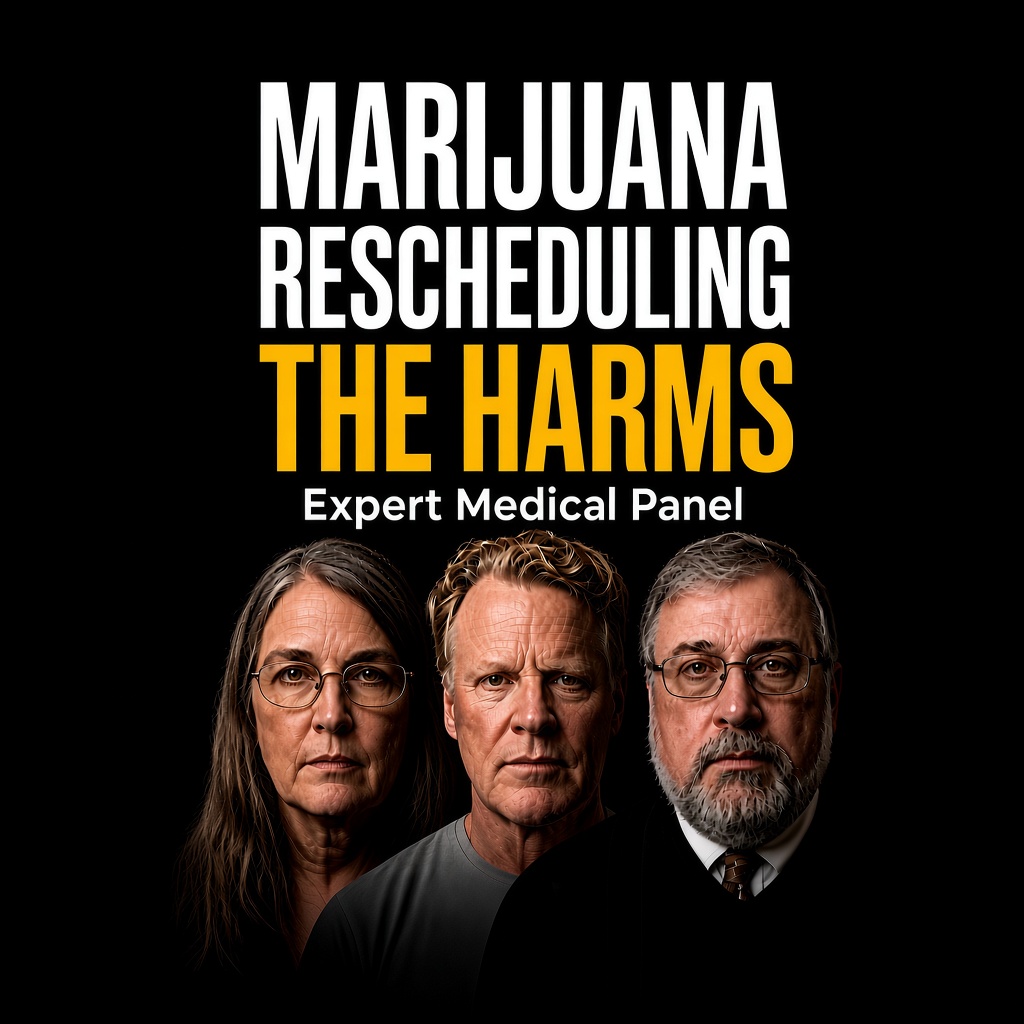
Part II: This episode is not about politics. It’s about science, safety, and the responsibility we have to understand the substances being marketed as medicine.
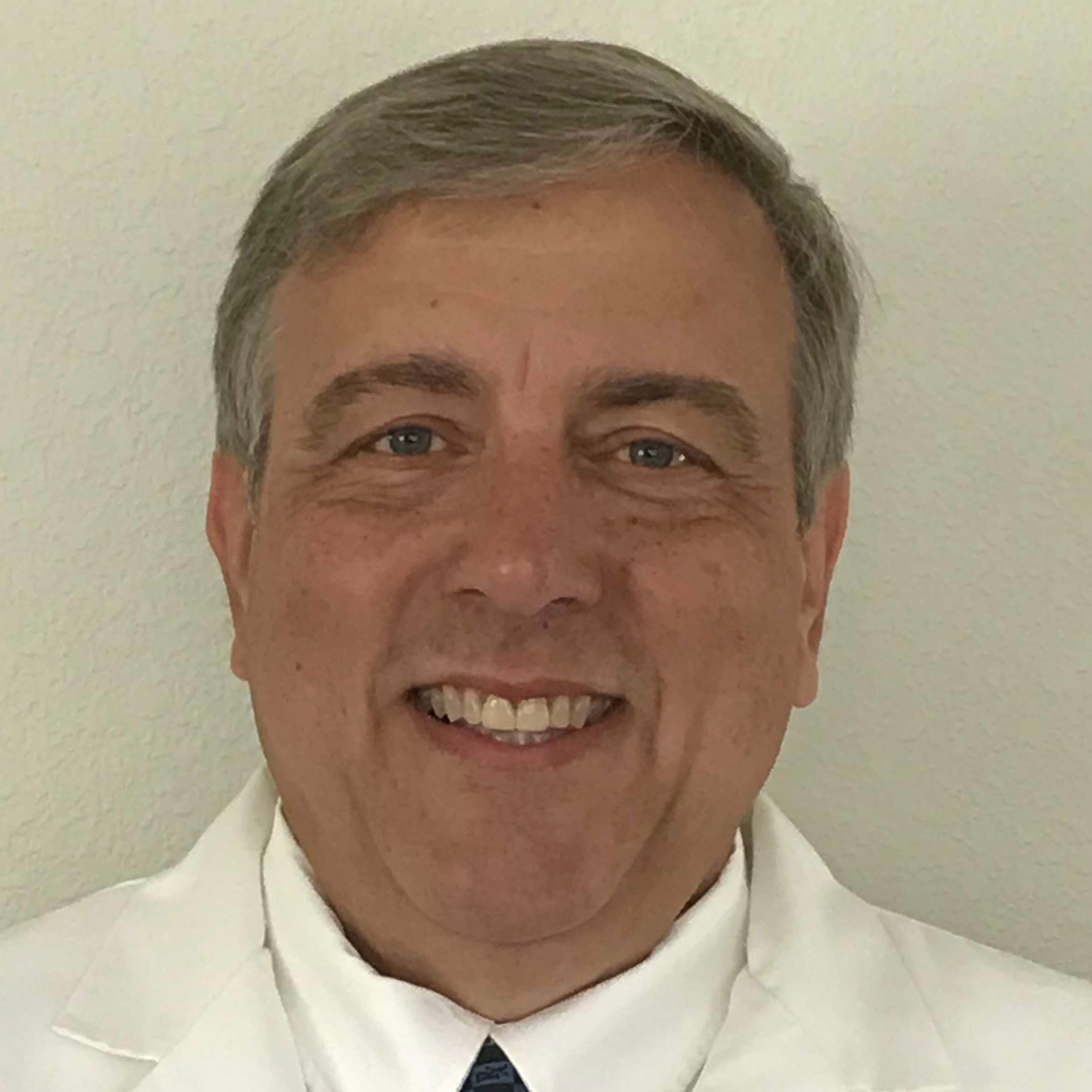
Dr. Phillip Drum, a veteran clinical pharmacist with more than 30 years of experience, joins us for a deeply researched and uncompromising look at the realities behind “medical marijuana.” As one of the nation’s most outspoken experts on the pharmacology of THC and the public‑health consequences of marijuana policy, Dr. Drum brings a level of scientific rigor and real‑world evidence that is almost entirely absent from the public conversation.
Dr. Drum has spent his career at the intersection of medicine, policy, and roadway safety. He has managed hospital pharmacy programs, trained Drug Recognition Experts, advised the California Governor’s Office, and was the sole pharmacist invited to testify at a landmark DEA hearing on marijuana scheduling. His work has been instrumental in exposing the gaps between public perception and scientific reality—especially as high‑potency THC products have flooded the market.
In this episode, Dr. Drum breaks down the controversy surrounding medical marijuana with clarity and precision. He explains why marijuana has never met the basic scientific standards required for FDA approval: no standardized chemistry, no reproducible dosing, no validated safety profile, and no large‑scale clinical trials demonstrating efficacy. He highlights how state‑level “medical marijuana” programs bypass the rigorous testing required for every other medication in the United States, creating a system where products are marketed as medicine without meeting the definition of medicine.
We also explore the escalating potency of modern THC products and the consequences of commercialization. Dr. Drum details how today’s concentrates, vapes, and edibles bear little resemblance to the marijuana of past decades—and why this matters for addiction, psychosis, cognitive decline, and impaired driving. He draws from national crash data, toxicology reports, and his own extensive research to illustrate the growing public‑safety crisis tied to THC impairment on the roads.
Throughout the conversation, Dr. Drum emphasizes the importance of evidence‑based policy, transparent data, and honest public education. He challenges widely held assumptions about medical marijuana, explains t composition of THC in a way the public rarely hears, and underscores the urgent need for stronger safeguards—especially for adolescents, pregnant women, and individuals with mental‑health vulnerabilities.
Takeaways
• Medical marijuana lacks standardized chemistry, dosing, and reproducibility—core requirements for any legitimate medication.
• The absence of rigorous safety and efficacy studies undermines claims of therapeutic benefit and exposes patients to unknown risks.
• High‑potency THC products carry significant public‑health consequences, including addiction, psychosis, and impaired driving.
• State‑level approval of marijuana for medical use bypasses the scientific standards required for FDA‑approved drugs.
• Evidence‑based education—not marketing—must guide public understanding and policy decisions.